Marketing Automation Platform: What It Is


Marketing Automation Platform: What It Is and Why Businesses Use One
As businesses grow, managing marketing tasks manually can quickly become overwhelming.
Sending emails, tracking leads, posting content, and following up with potential customers all take time. Without the right systems in place, it becomes difficult to stay organized and consistent.
That’s where a marketing automation platform comes in.
Marketing automation platforms help businesses streamline repetitive marketing tasks by using software to automate workflows, manage campaigns, and track customer interactions.
Let’s explore what these platforms do and how they support modern marketing strategies.
What Is a Marketing Automation Platform?
A marketing automation platform is software designed to automate and manage marketing activities across multiple channels.
These platforms allow businesses to schedule, trigger, and track marketing actions automatically based on user behavior or predefined rules.
Marketing automation platforms often combine several tools into one system, such as:
- Email marketing automation
- Lead tracking and management
- Customer segmentation
- Campaign scheduling
- Performance analytics
The goal is to help businesses manage marketing more efficiently while improving customer engagement.
Why Businesses Use Marketing Automation Platforms
Marketing automation platforms are valuable because they reduce manual work while improving marketing consistency.
Instead of performing repetitive tasks manually, businesses can automate them and focus on strategy and growth.
Some common reasons businesses adopt marketing automation include:
- Saving time on repetitive tasks
- Improving lead follow-up
- Personalizing customer communication
- Tracking campaign performance
- Scaling marketing efforts more efficiently
Automation helps ensure that no opportunities are missed and that customers receive timely communication.
Common Features of Marketing Automation Platforms
Most marketing automation platforms include several core features designed to support digital marketing campaigns.
Email Marketing Automation
Email automation allows businesses to send messages automatically based on triggers such as:
- New subscriber sign-ups
- Product purchases
- Website visits
- Form submissions
Automated email sequences help nurture leads and maintain consistent communication.
Lead Management
Marketing automation platforms help track potential customers as they interact with a website or marketing campaign.
Lead management features may include:
- Lead capture forms
- Contact databases
- Lead scoring systems
- Behavioral tracking
These tools help businesses understand where prospects are in the buying process.
Customer Segmentation
Segmentation allows businesses to group contacts based on characteristics such as:
- Interests
- Purchase history
- Location
- Engagement level
By segmenting audiences, businesses can deliver more relevant marketing messages.
Workflow Automation
Workflow automation allows marketers to create step-by-step processes that run automatically.
For example, a workflow might:
- Send a welcome email when someone subscribes
- Deliver helpful content over several days
- Notify a sales team if a lead shows strong interest
Automated workflows help maintain consistent customer journeys.
Campaign Analytics
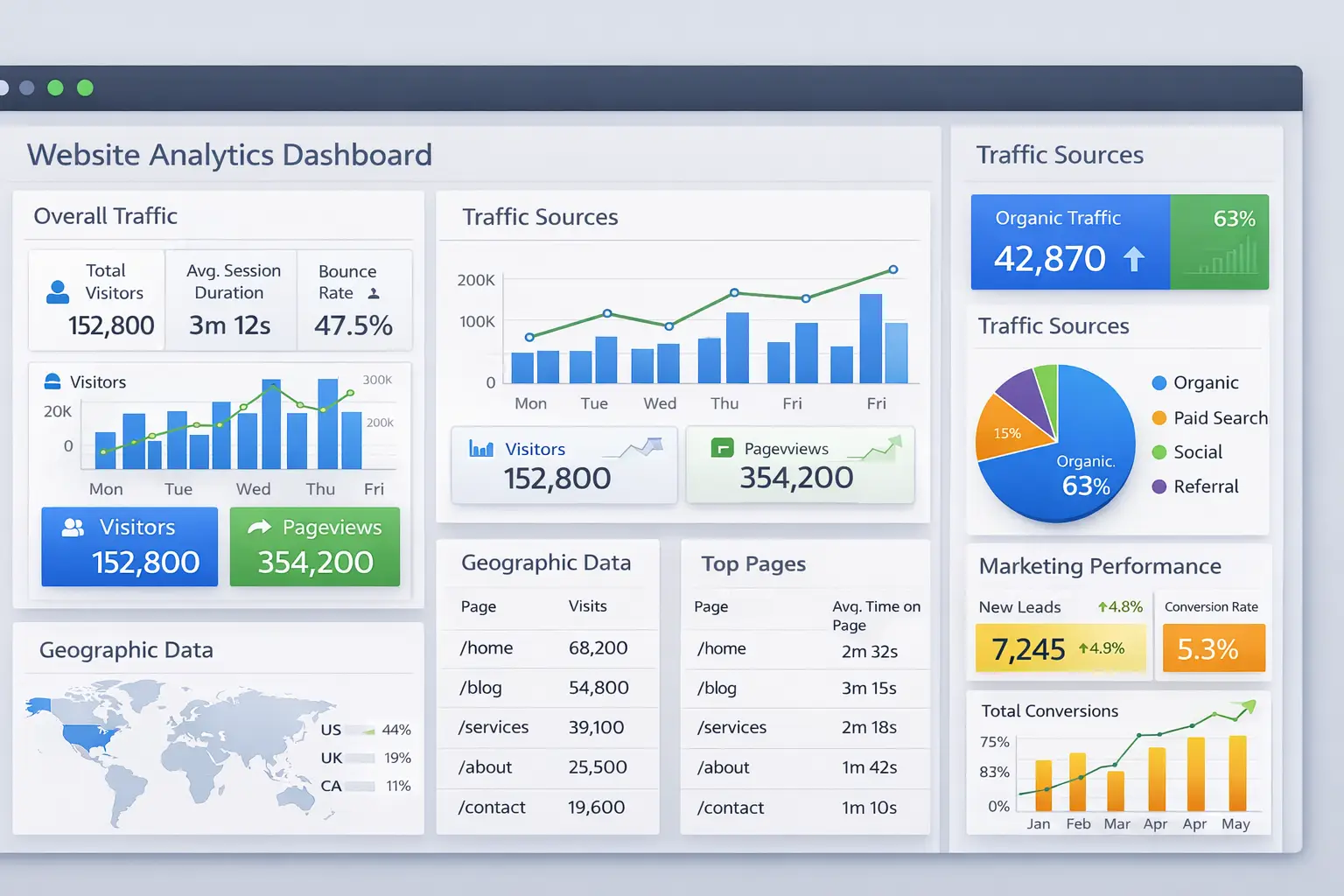
Marketing automation platforms provide reporting tools that help measure campaign performance.
Businesses can track metrics such as:
- Email open rates
- Click-through rates
- Lead conversions
- Website engagement
These insights help marketers improve future campaigns.
Benefits of Using a Marketing Automation Platform
Marketing automation platforms provide several advantages for businesses.
Some of the most common benefits include:
- Increased marketing efficiency
- Better lead management
- Improved customer engagement
- More consistent communication
- Data-driven marketing decisions
By automating routine tasks, businesses can focus on developing stronger strategies and building relationships with customers.
Marketing Automation Platforms vs CRM Systems
Marketing automation platforms are sometimes confused with customer relationship management (CRM) systems.
While the two tools are closely related, they serve slightly different purposes.
Many businesses integrate marketing automation platforms with CRM systems so marketing and sales teams can work more effectively together.
When Businesses Should Consider a Marketing Automation Platform
Businesses often adopt marketing automation platforms when:
- Marketing tasks become difficult to manage manually
- Lead follow-up becomes inconsistent
- Email marketing campaigns grow more complex
- Marketing teams want better tracking and insights
Automation becomes especially valuable as marketing efforts scale.
FAQ: Marketing Automation Platform
Is a marketing automation platform only for large businesses?
No. Businesses of all sizes can benefit from marketing automation tools.
Do marketing automation platforms replace human marketers?
No. Automation supports marketers by handling repetitive tasks, allowing them to focus on strategy and creativity.
Are marketing automation platforms difficult to use?
Many modern platforms are designed with user-friendly dashboards and guided workflows.
Final Thoughts
A marketing automation platform helps businesses manage marketing activities more efficiently by automating repetitive tasks and organizing campaigns in one place.
By combining automation, analytics, and customer tracking, these platforms allow businesses to streamline their marketing operations while maintaining consistent engagement with their audience.
As digital marketing continues to evolve, automation tools are becoming an essential part of modern marketing strategies.


Book A Demo with Ashley