
Website Marketing Explained

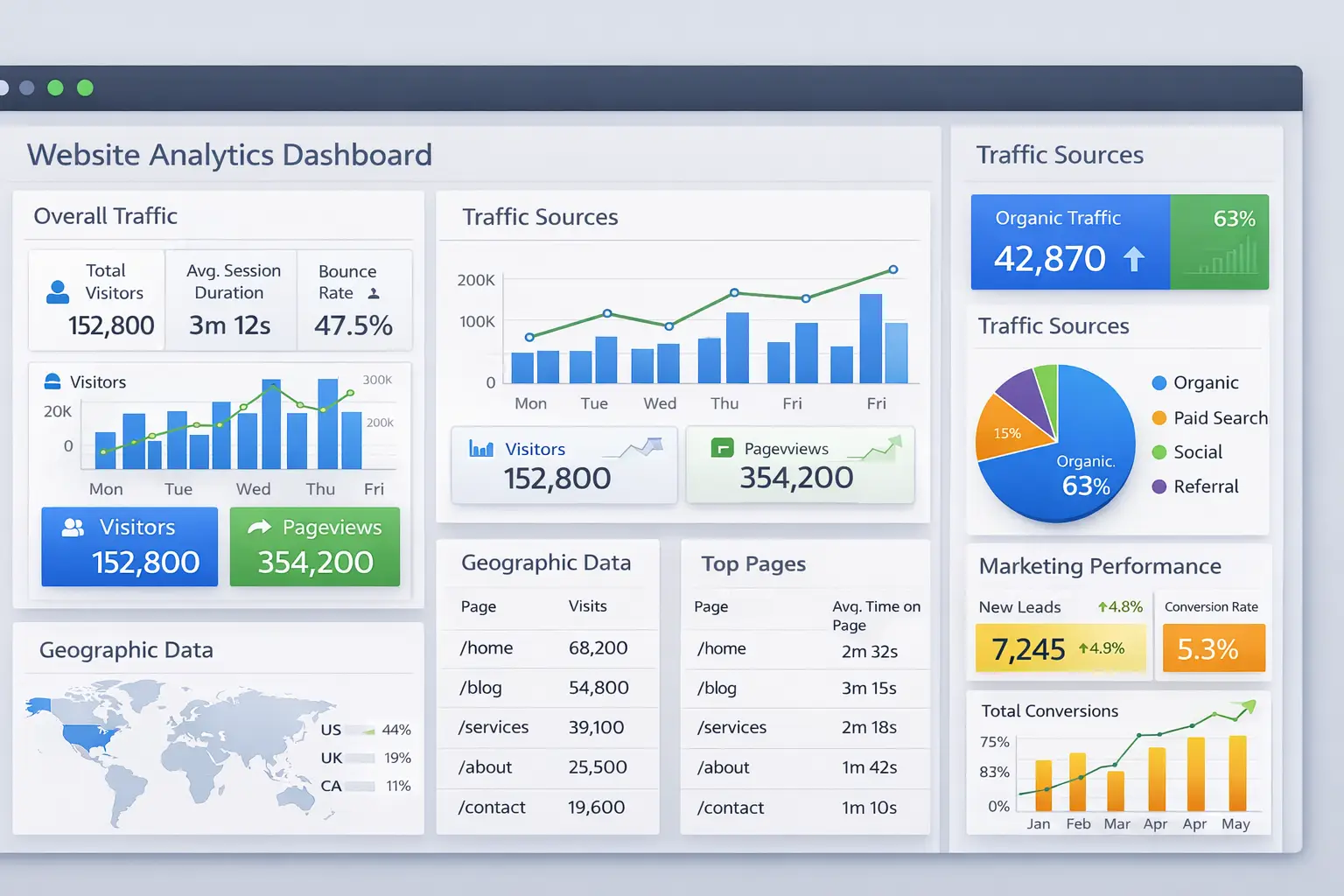
Website Marketing: How Businesses Use Their Website to Drive Growth
A website is more than just an online presence.
When used strategically, it becomes one of the most powerful marketing tools a business has.
This approach is known as website marketing.
Website marketing focuses on using a website to attract visitors, engage potential customers, and guide them toward taking action—such as making a purchase, submitting a form, or requesting more information.
Let’s explore what website marketing involves and why it plays such an important role in modern business growth.
What Is Website Marketing?
Website marketing refers to the strategies used to promote, optimize, and leverage a website as a central hub for digital marketing efforts.
Instead of relying solely on ads or social media platforms, website marketing focuses on turning a company’s website into a place where visitors can learn about products or services and eventually become customers.
Website marketing often combines several digital strategies, including:
- Search engine optimization (SEO)
- Search engine advertising
- Content marketing
- Email marketing
- Marketing automation
- Conversion optimization
These elements work together to attract traffic and convert visitors into leads or customers.
Why Website Marketing Matters
Many customers begin their buying journey online.
Before choosing a product or service, people often research companies by visiting their websites.
A well-structured website marketing strategy can help businesses:
- Attract new visitors through search engines
- Provide helpful information about products or services
- Build trust with potential customers
- Capture leads and inquiries
- Convert visitors into customers
Because a website operates 24/7, it can continuously generate opportunities for business growth.
Key Components of Website Marketing
Successful website marketing strategies typically rely on several core elements.
Search Engine Optimization (SEO)
SEO helps a website appear in search engine results when people look for information related to the business.
By improving website structure, optimizing content, and targeting relevant keywords, businesses can increase organic traffic over time.
SEO plays a major role in improving search engine positioning, which helps websites appear higher in search results.
Search Engine Advertising
While SEO builds organic visibility, search engine advertising provides immediate exposure through paid ads.
These ads appear at the top of search results when users search for specific keywords.
Businesses often use advertising campaigns to drive targeted traffic while their organic rankings grow.
Content Marketing
Content marketing involves publishing helpful and informative content on a website.
Examples include:
- Blog articles
- Guides
- Tutorials
- Case studies
Quality content helps attract visitors, answer questions, and build credibility with potential customers.
Conversion Optimization
Website marketing also focuses on encouraging visitors to take action.
This may involve improving:
- Page layout
- Calls to action
- Contact forms
- Landing pages
The goal is to turn website visitors into leads or customers.
Marketing Automation
Many businesses connect their website to a marketing automation platform.
Automation tools help manage tasks such as:
- Lead capture
- Email follow-ups
- Customer segmentation
- Campaign tracking
Automation ensures that potential customers receive consistent communication after interacting with a website.
How Website Marketing Supports Business Growth
A strong website marketing strategy helps businesses attract visitors and guide them through the buying process.
The typical journey may look like this:
- A user discovers a website through search engines or ads
- They read helpful content or explore products and services
- They submit a form or contact the business
- Marketing automation tools follow up with additional information
This process helps turn casual visitors into qualified leads.
Common Website Marketing Mistakes
Some businesses struggle with website marketing because they overlook important elements.
Common mistakes include:
- Launching a website without SEO optimization
- Publishing little or no helpful content
- Having unclear calls to action
- Ignoring mobile user experience
- Not tracking website performance
Addressing these issues can significantly improve a website’s marketing effectiveness.
FAQ: Website Marketing
Is website marketing the same as digital marketing?
Website marketing is one part of digital marketing. It focuses specifically on using a website as the main platform for marketing activities.
Can small businesses benefit from website marketing?
Yes. Even small businesses can attract customers online through search engines, helpful content, and optimized websites.
Do websites need regular updates for marketing?
Yes. Updating content and improving SEO helps keep websites visible and relevant in search results.
Final Thoughts
Website marketing transforms a website from a simple online presence into a powerful tool for attracting customers and supporting business growth.
By combining strategies such as SEO, search advertising, content creation, and marketing automation, businesses can create a website that consistently generates traffic and leads.
A well-planned website marketing strategy helps ensure that when potential customers search for information online, they can easily discover and connect with the business.


Book A Demo with Ashley


